You know that feeling of starting a business, looking at your competitors, and thinking everyone out there is bigger than you? Like other brands were just born ready, complete with customers, a name, and that kind of presence that's almost intimidating. Meanwhile, you're trying to make it work with what you've got, tweaking this, improvising that, and wondering if anyone's ever going to take your brand seriously.
There's always some risk built into entrepreneurship. And honestly? Sometimes it's genuinely overwhelming. You step into a market where it feels like everyone already has their space, their reputation, their name recognition. In the beginning, it's normal not to have much capital, not to have a beautiful setup, not to be a known name, and not to project the kind of confidence a bigger company does. So you look around and everyone seems huge.
And you? Nothing.
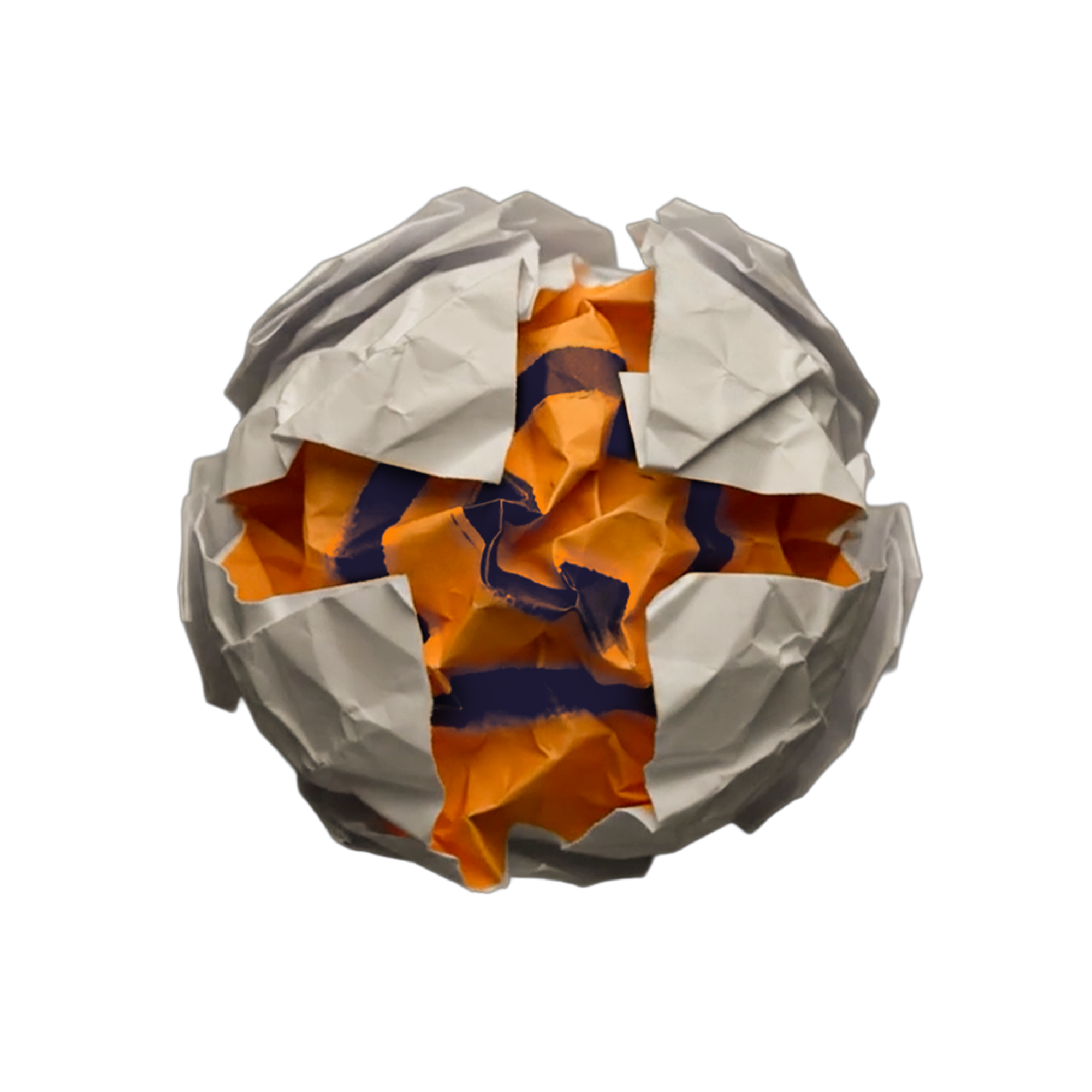
But here's the truth: they just look like giants. And that's exactly where the whole game lives.
A lot of people still think a good product or service is enough on its own. And sure, quality matters, a lot. But let's be honest: before anyone finds out you deliver something good, they first need to want to get closer. They need to feel curious. They need to trust you. They need to look at your brand and think, "hey, this looks like it's good." And in that first moment of contact, visuals speak volumes.
First impressions carry a lot of weight
How your brand shows up out there says a lot. A messy profile, an inconsistent visual identity, scattered communication, or unclear positioning can make a genuinely good business look amateur. On the other hand, when a brand has a well thought-out look, it conveys more trust, more care, more professionalism. Even if it's small, people start seeing it differently.
That's where, in just a few seconds, so much gets decided. Someone looks at your brand and immediately forms an impression. Does it look trustworthy? Does it look well cared for? Does it look like it delivers value? Does it look like it knows what it's doing? If yes, you earn a chance. If not, they may never even get to know what you actually offer.
What makes a lot of brands feel tiny in a massive market isn't really their size. Often, it's the lack of a well-resolved identity. And when I talk about identity, I don't just mean a nice logo. I mean colors, fonts, language, tone of voice, imagery, positioning, everything that makes someone glance over and immediately understand who you are.
A brand isn't wasted spending
Big companies became industry references because they understood this. They didn't grow just because they had good products. They also grew because they knew how to build presence, recall, and desire. When a brand has identity, it starts taking up space in people's minds. It stops being "just another option" and starts being remembered.
Investing in your own identity is thinking ahead. It doesn't mean your business will suddenly start making incredible money or that customers will pour in overnight. But it does mean your brand starts being seen with more clarity, more value, and more consistency. Little by little, it becomes easier to recognize, easier to trust, and easier to recommend.
I know a lot of people look at this and think, "that's stuff for big companies." But it's not. Some businesses launch today and already show up with an identity so well thought-out that they seem like they've been around for years. Not because they're pretending to be huge, but because they understood that how a brand is perceived is also part of the game.
Being small doesn't mean looking weak
A small brand can be strategic, memorable, and full of personality. The problem is when it communicates as if it's apologizing for existing. When everything looks improvised, without intention or direction, people notice. And even if what you deliver is excellent, that first barrier is already up.
So it's worth starting to look at your brand with more care. Maybe you can't invest in a complete identity right now, and that's okay. But don't write off the idea. Don't treat your brand as a minor detail. Don't leave it for "whenever there's money left over," because a brand isn't just decoration: it's part of how the market understands the value of what you do.
Today, your brand might not be intimidating anyone. But it should. Because there's real potential in it. There's value in what you do. There's room to grow, to take a stand, and to be taken seriously. But for that to happen, you need to stop treating your brand's appearance as an afterthought and start seeing it as part of your business's growth.
At the end of the day, a strong brand isn't one that tries to look bigger than it is. It's one that presents itself with clarity, intention, and personality. And when that happens, even a small brand starts occupying a much bigger space than it ever imagined.